Keeping a warm home is one of the most important things when it comes to our health. Young children and infants, elderly people and people who have additional health needs or are undergoing treatments such as chemotherapy are those that are most at risk from having a home that is too cold. Here are some of the ways that you can ensure your home is warm enough to keep you and your loved ones safe…
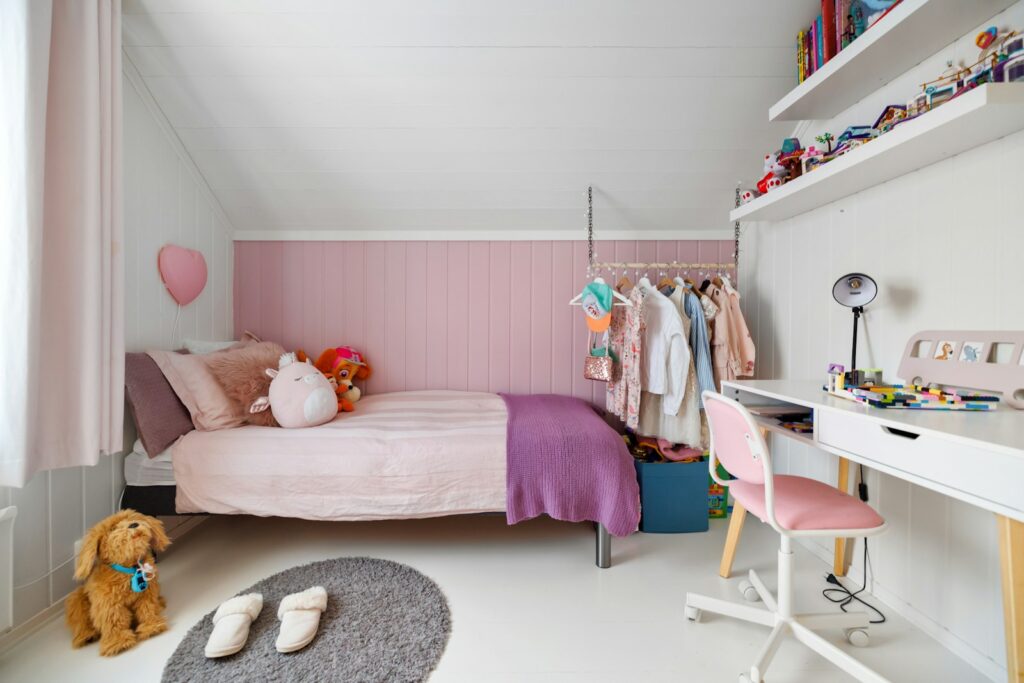
Home Furnishings – When it comes to keeping a room warm, never underestimate what soft furnishings can do. Rugs are an ideal way to keep some heat in an uncarpeted room. Also, closing the curtains helps to trap heat in. Even strategically placed shelving can help to preserve heat – a shelf above the radiator in a room can stop the hot air rising upwards too quickly, instead allowing it to circulate around a room where it is needed.

Windows and Doors – If your doors and windows are inadequate, you won’t have much luck keeping the heat in. Good windows that don’t allow a draught in such as these from Worcester double glazing company https://www.firmfix.co.uk/ will go a long way to keep in the heat. Make sure that you keep doors to rooms closed to preserve the heat and get a draught excluder for any external doors.

Quick Fixes – To get that sudden much needed rush of heat there are a few useful tips you can use. A hot water bottle or an electric blanket can keep you warm in bed. When you have cooked something, keep the oven door open for ten minutes or so to let the heat out into the surrounding room, and when you have had a shower open the shower door to let the steam out – all of these ways are great to get heated up quickly.
Simple ways to hold on to heat
Keeping a home warm does not always mean turning the heating up. Thermostatic radiator valves let you control the temperature room by room, and smart valves can be adjusted from your phone. A shelf fitted above a radiator stops warm air rising straight to the ceiling and pushes it back into the room, which helps most in rooms with high ceilings. Moving a sofa away from a radiator lets the heat circulate.
Draughts are a common source of heat loss. A homemade draught excluder at the bottom of a door works well, and a swimming noodle makes a quick version. If you never use your chimney, an inflatable chimney balloon stops warm air escaping and can be deflated if you want to light a fire.
Small habits add up too. Leave the oven door open after cooking so the heat spreads into the house, and run ceiling fans in reverse to push warm air down. If your boiler is old, an A rated condensing boiler can cut bills considerably.
Simple habits that keep the cold out
A cold home can contribute to colds and flu and to more serious problems such as heart attack, stroke, pneumonia and depression. Older people, those with long term health conditions, disabled people and anyone on a low income are most at risk, and for them the home, especially the bedroom, should be heated to around 18C.
Staying active, eating regularly and having hot meals and drinks through the day all help the body keep warm. A hot water bottle or electric blanket adds comfort at night, but never use the two together. Make sure the boiler is working properly before the cold weather sets in.
Inside the house, opening doors can spread heat rather than trapping it. Leave the bathroom door open after a shower so the warm steam moves through, and if it is safe, leave the oven door open after cooking. Check for draughts under doors and around windows that do not shut properly, and block them with excluders, which can be made from old pillowcases stuffed with socks or tights.